
When DIY Wildlife Removal Becomes Risky and Professional Help Is Needed
When DIY wildlife removal becomes risky and professional help is needed, local service providers can safely and effectively handle humane removal and exclusion of unwanted animals.
Many property owners in the area find themselves facing wildlife intrusions that seem manageable at first but quickly become more complicated than expected. Attempting DIY wildlife removal can seem like a cost-effective solution, but it often carries significant risks, especially when animals are deeply lodged or have created extensive nesting areas. In such cases, improper handling can lead to property damage, injury, or the spread of pests and diseases. Recognizing when the situation exceeds basic removal efforts is crucial, and professional wildlife removal services are equipped to handle these challenges safely and effectively.
Local service providers specialize in addressing wildlife issues that go beyond simple deterrents, ensuring that animals are removed humanely and that property is properly secured against future visits. They understand the complexities involved in safely removing animals like raccoons, squirrels, or bats, and can identify underlying entry points that might be overlooked. If a wildlife problem is escalating or if attempts at DIY removal have proven ineffective, it’s a strong indication that professional help is the right choice. Keep reading to learn more about when wildlife removal becomes risky and how local experts can assist in resolving these issues efficiently and responsibly.
- Bird removal - when DIY attempts risk injuring birds or causing damage, local contractors use humane methods to safely relocate nests and prevent future issues.
- Bat exclusion - if DIY efforts fail to seal entry points properly, professional service providers implement effective exclusion techniques to ensure bats do not re-enter structures.
- Squirrel trapping - when squirrels have nested deep inside walls or attics, local pros utilize specialized traps and procedures to remove them without causing structural harm.
- Raccoon removal - in cases where raccoons are difficult to access or aggressive, service providers handle the removal safely and implement measures to prevent repeat visits.
- Skunk removal - when DIY efforts risk exposure to skunk spray or injuries, local contractors use safe, humane techniques to remove and relocate these animals effectively.
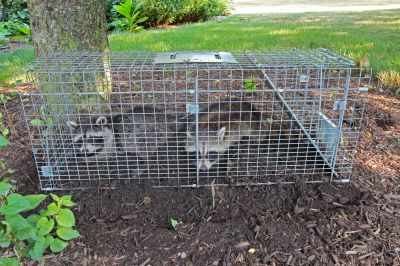
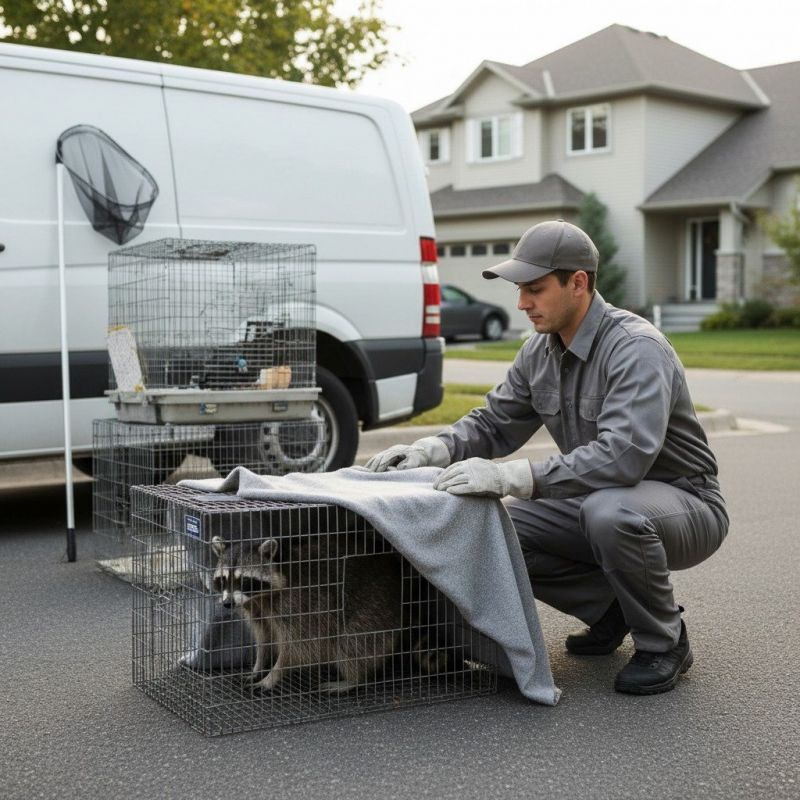
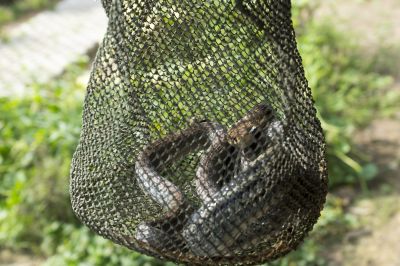
When people search for information about when DIY wildlife removal becomes risky and professional help is needed, they are often concerned about handling nuisance animals on their own. These searches typically relate to situations where homeowners encounter animals such as raccoons, squirrels, bats, or birds invading their property, especially in attics, walls, or chimneys. The goal is usually to find a safe and effective way to remove the animals without causing harm or creating further damage. However, many homeowners underestimate the complexity and potential dangers involved in wildlife removal, which can lead to risky situations if attempted without proper knowledge or tools.
The problems associated with DIY wildlife removal often involve animal behavior, property damage, and health risks. For example, attempting to remove a bat colony or raccoon family without experience can result in aggressive encounters or animals retreating deeper into the structure. Additionally, improper removal methods may leave behind entry points that allow animals to return or cause structural damage that requires costly repairs. This topic is closely connected to plans for humane removal, exclusion, and property protection. Homeowners may also be concerned about the potential for zoonotic diseases transmitted by wildlife, which can pose serious health hazards if not managed correctly.
Properties that typically come up in discussions about when DIY wildlife removal becomes risky include attics, wall cavities, chimneys, and roof eaves. These areas often provide easy access points for animals and are common targets for wildlife intrusion. Homes with older or poorly maintained structures tend to be more vulnerable, as they may have existing entry points or weaker areas that animals can exploit. Commercial buildings, barns, and sheds can also become sites of wildlife activity, especially in rural or semi-rural settings. In all cases, understanding the property's layout and the behavior of the specific wildlife involved is essential for determining when professional help is the safest and most effective choice.
Local service providers specializing in wildlife removal offer the expertise needed to handle these complex situations safely and humanely. They are equipped to assess the extent of the problem, identify entry points, and implement exclusion methods that prevent animals from returning. These professionals also understand the importance of minimizing property damage and reducing health risks associated with wildlife. For homeowners facing challenging or potentially dangerous wildlife situations, engaging with local pros can ensure the removal process is carried out correctly, avoiding the risks that come with DIY attempts. This approach helps protect both the property and the health of everyone involved.
Attic Insulation Installation - Proper insulation work requires careful planning and safety awareness, similar to wildlife removal when dealing with animals nesting in hard-to-reach areas.
Gutter Cleaning and Repair - Removing debris and fixing gutter systems involves tools and techniques that overlap with those used in wildlife exclusion and damage prevention.
Rodent Proofing Services - Sealing entry points and preventing pests requires detailed planning and knowledge of animal behaviors, paralleling wildlife removal efforts.
Bird Nest Removal - Safely removing nests and preventing future issues involves understanding bird habits and using specialized tools, akin to wildlife exclusion projects.
Attic Cleanup and Debris Removal - Clearing out animal droppings and nesting materials demands safety precautions and proper disposal methods, similar to wildlife cleanup after removal.
Structural Damage Repair - Fixing damage caused by wildlife intrusion involves assessing risks and using appropriate repair techniques, similar to professional wildlife exclusion work.
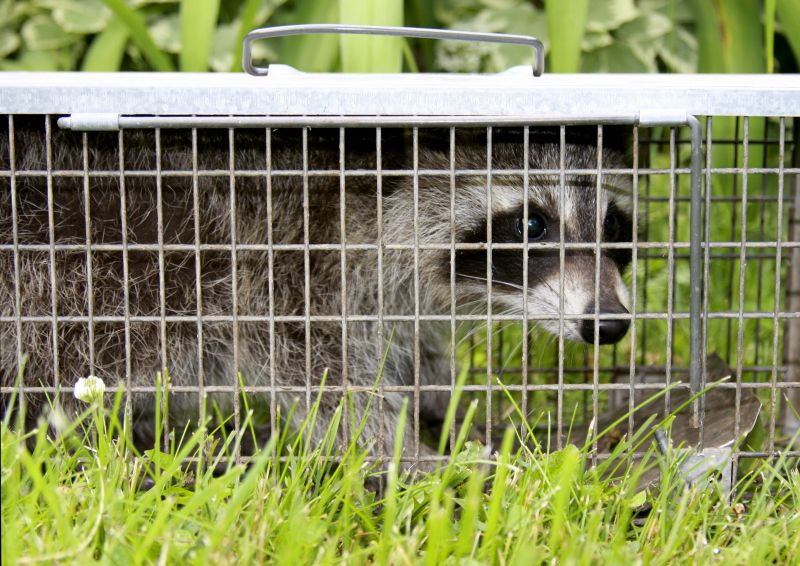
When evaluating wildlife removal services, it is important for homeowners to consider the experience of the service providers with similar projects. Local contractors who have handled wildlife issues comparable to the current situation are more likely to understand the nuances and potential challenges involved. This familiarity can help ensure that the removal process is conducted efficiently and effectively, reducing the risk of incomplete removal or future problems. Homeowners should inquire about the types of wildlife the service provider has experience with and seek out those with a proven track record in managing situations similar to their own.
Clear, written expectations are a crucial aspect of choosing the right wildlife removal service. Service providers should be able to outline the scope of work, methods to be used, and any necessary follow-up actions in a detailed, written format. This transparency helps prevent misunderstandings and ensures that both parties are aligned on what the project entails. When reviewing proposals or estimates, homeowners should look for comprehensive documentation that clearly defines responsibilities, timelines, and any potential limitations of the service, which can contribute to a smoother and more predictable process.
Good communication and reputable references are key indicators of a reliable wildlife removal service. A reputable local contractor will be willing to provide references from previous clients who can attest to their professionalism and effectiveness. Additionally, effective communication-whether through prompt responses, clear explanations, or willingness to answer questions-can make the entire process less stressful. Homeowners should feel comfortable asking questions and should receive clear, straightforward answers, ensuring they are well-informed throughout the project. These factors together help build confidence that the service provider is capable of safely and effectively resolving wildlife issues.
Property owners often search for when DIY wildlife removal becomes risky and professional help is needed when they are planning practical projects around their homes and businesses. Local pros provide Wildlife Removal services for everyday jobs and straightforward project options.
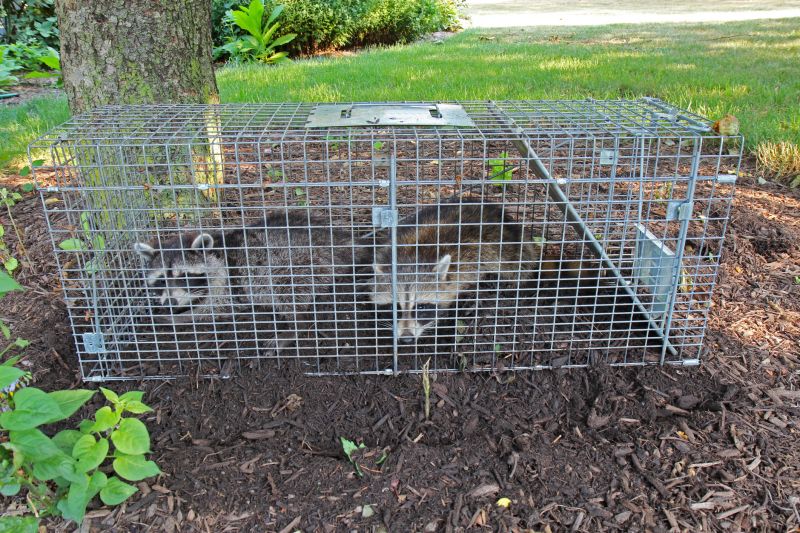
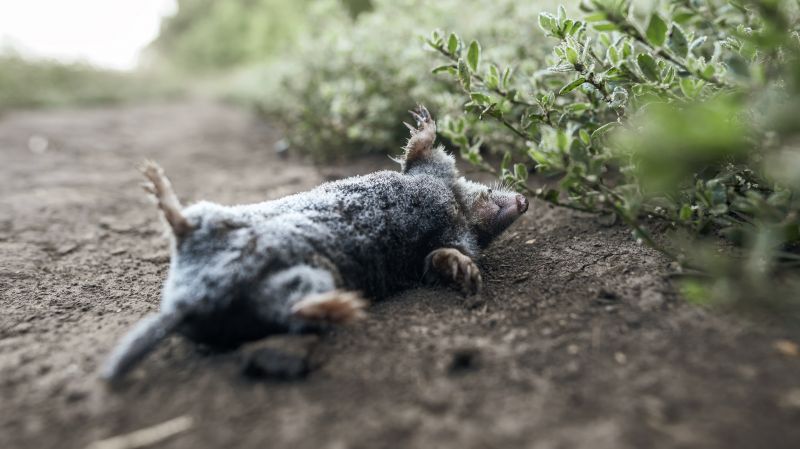
When attempting DIY wildlife removal, property owners often start with simple solutions like setting traps or blocking entry points. However, situations such as animals nesting in hard-to-reach areas or exhibiting aggressive behavior can quickly escalate the risk of injury or property damage. In these cases, relying on local contractors who specialize in wildlife removal ensures that the job is handled safely and effectively, reducing the likelihood of accidental harm or incomplete removal.
Many property owners in the area seek professional help when they realize that wildlife has caused significant damage or if animals are repeatedly returning despite initial efforts. Complex issues like animals trapped inside walls or in attics often require specialized tools and expertise to resolve properly. Engaging experienced service providers can prevent potential health hazards and ensure that wildlife is removed humanely, making it a sensible choice when DIY wildlife removal becomes risky and professional help is needed.
When should I consider professional wildlife removal instead of attempting DIY methods? If wildlife has entered hard-to-reach areas, shows signs of nesting, or if animals are aggressive, it is safer to seek help from local service providers who have the experience and equipment to handle the situation properly.
What risks are involved in DIY wildlife removal that might require professional assistance? Risks include injury from animals, spreading diseases, damaging property, and failing to fully remove animals or their entry points, which can lead to recurring issues. Local pros are equipped to address these hazards safely.
Are there certain types of wildlife that make DIY removal more dangerous? Yes, animals such as raccoons, bats, and squirrels can be aggressive or carry diseases, making DIY removal risky. Professionals are trained to handle these species safely and effectively.
When is attempting DIY wildlife removal no longer advisable due to complexity? When wildlife has caused extensive damage, entered complex structures, or if multiple animals are involved, professional help is recommended to ensure thorough and safe removal from local contractors.
Why is it important to hire local wildlife removal experts instead of trying DIY solutions in risky situations? Local service providers have the expertise to identify animal behaviors, handle difficult scenarios, and ensure proper removal and exclusion, reducing health and safety risks associated with DIY efforts.
Assessing Wildlife Risks - Property owners should evaluate signs of animal activity to determine when wildlife presence may pose health or structural risks, prompting the need for professional removal services.
Handling Entrances and Damage - When damage to building openings or signs of persistent animal entry are observed, seeking expert help ensures safe and effective exclusion methods.
Dealing with Aggressive or Nocturnal Animals - If wildlife display aggressive behavior or are active during nighttime hours, it indicates that professional intervention is safer than DIY attempts.
Managing Contamination and Disease - In cases of animal droppings, nests, or carcasses, contacting local contractors helps mitigate health hazards that DIY wildlife removal cannot safely address.
If you are thinking about when DIY wildlife removal becomes risky and professional help is needed for a property, this guide is meant to help you understand this topic, the typical project types, and how different options might fit your plans.
When you are ready, you can use the quote form on this page to share a few details about your project. From there, local pros can review the basics and follow up with options that match what you have in mind.