
What to Expect During a Professional Wildlife Removal Visit
People seeking wildlife removal typically want pests safely and humanely removed from their property, and local service providers can handle the job professionally and effectively.
If you’ve recently encountered signs of wildlife activity on your property, understanding what to expect during a professional wildlife removal visit can help ease any concerns. Typically, local contractors will begin with a thorough inspection to identify the species involved and locate entry points or nesting sites. This initial step provides clarity on the situation and helps determine the most effective removal strategies. Knowing how the process unfolds can give property owners confidence that experienced professionals are handling the situation with care and expertise, ensuring that the removal is both humane and thorough.
During a wildlife removal visit, service providers may implement humane exclusion methods to encourage animals to leave and prevent future entry. They often use specialized tools and techniques tailored to the specific species and property layout. Property owners can expect the process to involve minimal disruption while focusing on safe, effective removal. Once the animals are removed, many local contractors also offer advice on securing the property to prevent future wildlife issues. Exploring this topic can help property owners better understand the steps involved and make informed decisions when seeking assistance from local wildlife removal specialists.
- Wildlife exclusion - when animals have gained access to a property, local contractors implement exclusion techniques to prevent re-entry.
- Damage repair - after wildlife has caused structural damage, service providers assess and restore affected areas during the removal process.
- Inspection and assessment - property owners seeking to understand the extent of wildlife intrusion can rely on local pros to conduct thorough inspections.
- Habitat modification - to discourage future wildlife visits, professionals may recommend adjustments to the property environment.
- Wildlife removal and relocation - when animals are trapped or captured, local contractors handle humane removal and safe relocation procedures.
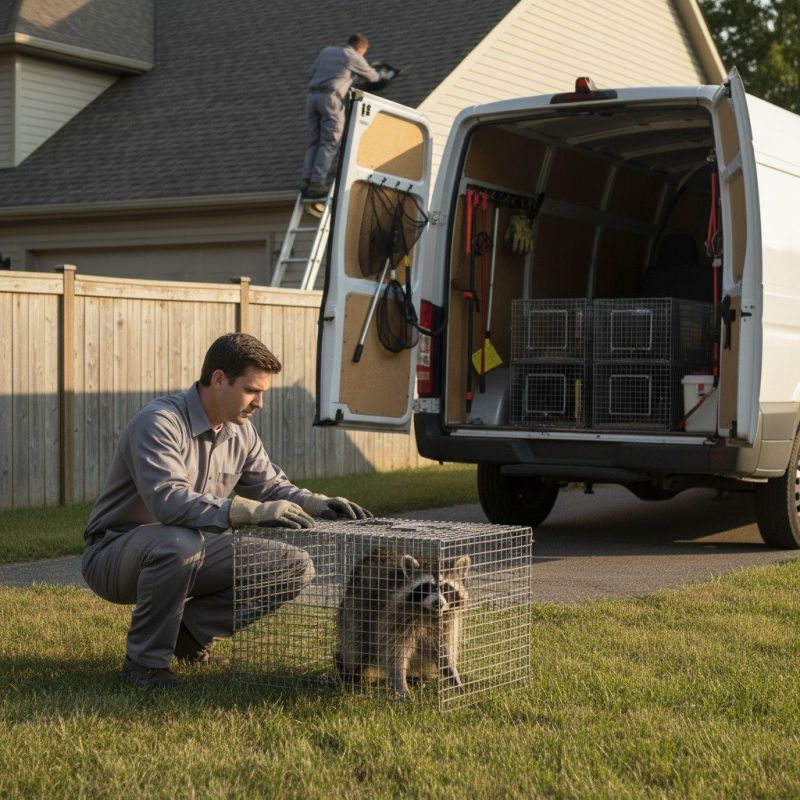
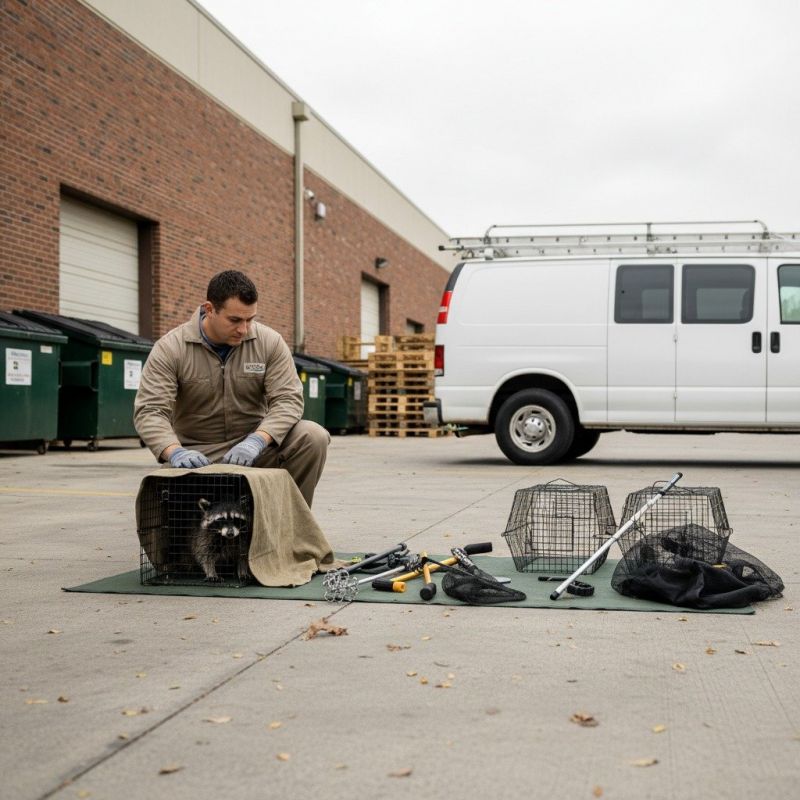
When searching for information on what to expect during a professional wildlife removal visit, homeowners are often trying to understand the process involved when animals have taken up residence in or around their property. This typically relates to situations where unwanted wildlife, such as raccoons, squirrels, bats, or birds, have caused damage or created health concerns. People want to know how the removal process unfolds, what steps are involved in safely and humanely removing animals, and how the professionals handle the situation to prevent future issues. Understanding these details helps homeowners feel more prepared and reassures them that experienced service providers are equipped to address their specific wildlife challenges effectively.
Wildlife removal visits are usually prompted by problems like animals nesting in attics, entering crawl spaces, or inhabiting roof eaves and chimneys. These issues can lead to property damage, noise disturbances, or health risks from animal droppings and bites. Many property owners plan to address these problems proactively or respond after noticing signs of animal activity. The visit typically involves a thorough inspection of the property to identify entry points, signs of infestation, and the extent of the problem. Local wildlife removal contractors tailor their approach based on the species involved and the property's unique features, ensuring the removal is both humane and effective.
Properties that commonly come up during wildlife removal visits include residential homes, especially those with attics, basements, or roof spaces that offer easy access for animals. Commercial buildings, such as warehouses or barns, may also be affected, particularly if they have structural gaps or openings. Additionally, outbuildings, sheds, and garages often attract wildlife seeking shelter or food sources. These properties tend to have features like overhanging trees, open vents, or damaged soffits that facilitate animal entry. Wildlife removal professionals are experienced in handling a variety of property types and understand how to adapt their methods to the specific environment, ensuring a thorough and lasting solution.
During a typical wildlife removal visit, service providers begin with a detailed inspection to locate active entry points and signs of animal presence. They may set up monitoring devices or use their expertise to determine the extent of the infestation. The process often includes humane trapping or exclusion methods designed to safely remove the animals without causing harm. Once the animals are removed, the professionals focus on sealing entry points, cleaning affected areas, and advising on measures to prevent future intrusions. Homeowners can expect clear communication throughout the process, with the goal of restoring safety and peace of mind by addressing the wildlife issue comprehensively.
Exclusion Services - local contractors specialize in sealing entry points and preventing wildlife from re-entering structures, which is a key part of what to expect during a professional wildlife removal visit.
Nest Removal Projects - removing nests built by wildlife animals often requires specialized tools and planning similar to wildlife removal procedures to ensure safety and effectiveness.
Attic Cleanup and Restoration - cleanup after wildlife intrusion involves debris removal and sanitation, paralleling the cleanup steps taken during wildlife removal visits.
Pest Control Services - addressing pest infestations caused by wildlife often overlaps with wildlife removal, as both require targeted approaches and planning.
Structural Repairs - repairing damage caused by wildlife entry points aligns with the inspection and sealing processes performed during wildlife removal visits.
Animal Trapping and Relocation - trapping and safely relocating wildlife animals is a core component of the removal process, similar to what is experienced during a professional wildlife removal visit.
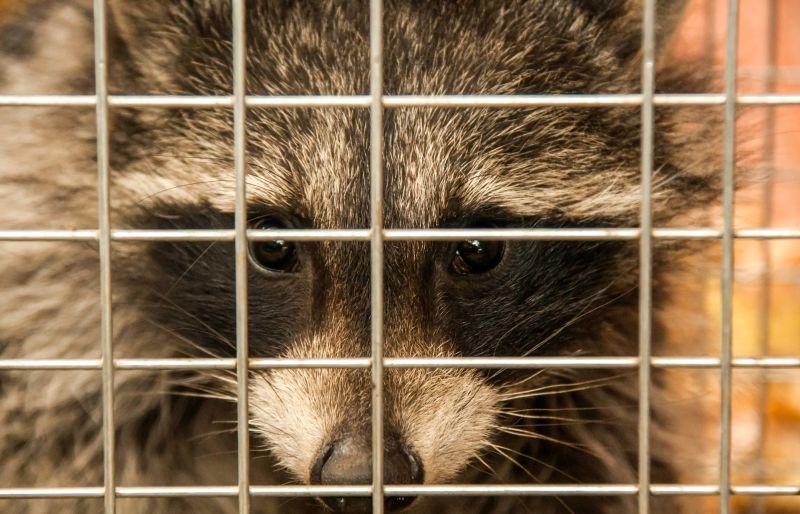
When comparing wildlife removal service providers, it is important to consider their experience with similar projects. Homeowners should inquire about how long a local contractor has been handling wildlife issues comparable to their situation, such as raccoon removal or bird control. An experienced service provider is more likely to understand the nuances of different species and the most effective methods for humane removal. This familiarity can contribute to a smoother process and help ensure that the wildlife is handled safely and efficiently during the visit.
Clear, written expectations are essential when evaluating wildlife removal services. Homeowners should seek providers who can outline what to expect during a professional wildlife removal visit in detail, including the steps involved, potential disruptions, and post-removal procedures. Having these expectations documented helps prevent misunderstandings and provides a transparent overview of the service. It also allows homeowners to assess whether the provider’s approach aligns with their needs and concerns before any work begins.
Reputable references and effective communication are key factors in choosing a dependable wildlife removal service. Homeowners should look for local contractors who can provide references or reviews from previous clients, demonstrating a track record of successful and responsible work. Good communication throughout the process ensures that homeowners remain informed and comfortable with the progress and any necessary follow-up actions. When a service provider is responsive and transparent, it fosters trust and confidence that the wildlife removal visit will be handled professionally and with respect for the homeowner’s property.
Property owners often search for what to expect during a professional wildlife removal visit when they are planning practical projects around their homes and businesses. Local pros provide Wildlife Removal services for everyday jobs and straightforward project options.
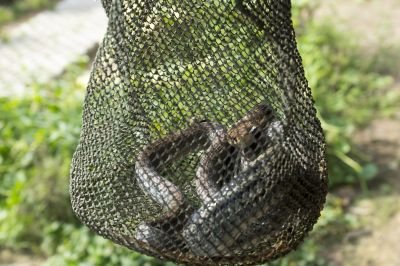
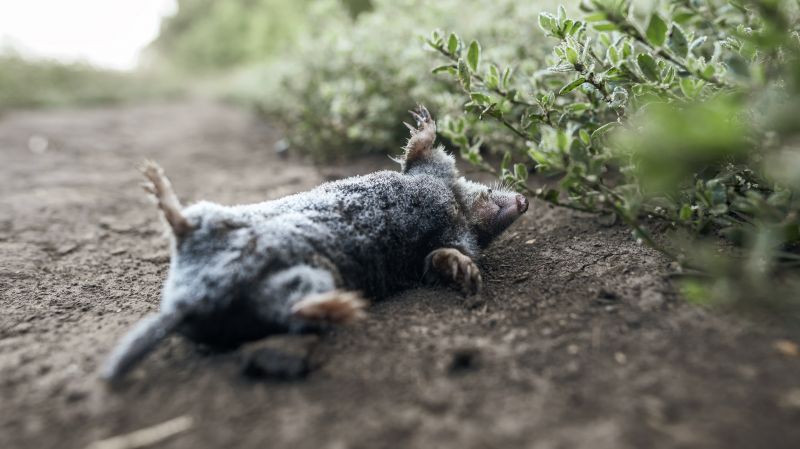
During a professional wildlife removal visit, property owners can typically expect a thorough assessment of the affected areas. Local contractors will inspect the property to identify signs of wildlife activity, such as droppings, damage, or entry points. This initial step helps determine the type of animals involved and the extent of the issue. Once the assessment is complete, the wildlife removal specialists will implement humane exclusion methods, which may include sealing entry points and installing deterrents to prevent future visits. The process is usually designed to be minimally disruptive, focusing on safely removing the animals and protecting the property from further intrusion.
Many property owners seek out wildlife removal services after noticing unusual noises, damage, or the presence of animals in or around their homes. During a typical visit, service providers aim to address these concerns by safely removing the wildlife and ensuring that the property is properly secured. The visit may also include providing advice on how to prevent future issues, such as maintaining barriers or removing attractants. Overall, the goal is to resolve the problem efficiently while minimizing any inconvenience to the property owner, leaving the space animal-free and better protected against future wildlife visits.
What should I expect during a professional wildlife removal visit? During a wildlife removal visit, local contractors typically assess the area to identify the species involved and locate entry points. They may set up humane traps or exclusion devices to safely remove the animals and prevent future entry.
Will the wildlife removal process be disruptive to my home? The process is usually planned to minimize disruption, with most work focused on specific entry points and affected areas. Contractors aim to perform the removal efficiently while maintaining a clean environment.
Are there any precautions taken during a wildlife removal visit? Yes, local service providers often take precautions to ensure safety for both residents and animals, including proper handling of wildlife and sealing of entry points to prevent re-entry.
What happens after the animals are removed? After removal, contractors may perform repairs or sealing of entry points to prevent future issues. They might also advise on steps to prevent wildlife from returning.
How long does a typical wildlife removal visit take? The duration varies depending on the extent of the wildlife issue, but most visits involve an initial assessment, removal, and sealing, all of which are handled efficiently by local pros.
Preparation steps - property owners can clear the area around entry points to help wildlife removal professionals access and assess the site more effectively.
Inspection process - understanding what wildlife removal services look for during an initial visit can help owners identify potential problem areas on their property.
Containment and exclusion - local contractors may advise on how to temporarily restrict animal access while waiting for the full removal process to begin.
Post-removal cleanup - property owners can plan for cleanup and repairs after wildlife are removed to prevent future issues with local wildlife.
If you are thinking about what to expect during a professional wildlife removal visit for a property, this guide is meant to help you understand this topic, the typical project types, and how different options might fit your plans.
When you are ready, you can use the quote form on this page to share a few details about your project. From there, local pros can review the basics and follow up with options that match what you have in mind.