
Seasonal Wildlife Issues Homeowners Should Watch For
Homeowners seeking seasonal wildlife removal can rely on local service providers to safely address issues like raccoons, squirrels, or birds causing damage or safety concerns.
Homeowners exploring seasonal wildlife issues should find this page a helpful resource for understanding what to watch for throughout the year. As different animals become active or seek shelter, recognizing early signs can prevent property damage and reduce the risk of unwanted encounters. Local contractors experienced in wildlife removal can provide practical solutions to address these seasonal challenges, helping protect homes and maintain peace of mind during peak activity periods.
Staying informed about seasonal wildlife issues is especially important for property owners in the area who want to proactively safeguard their homes. From squirrels nesting in attics to raccoons rummaging through trash, understanding these common concerns can make a difference in managing them effectively. Service providers in the area are equipped to handle these issues, offering humane and efficient wildlife removal services that align with homeowners' needs. Keep reading to learn more about how seasonal changes can impact your property and how local experts can assist in keeping your home secure.
- Bird nesting removal - homeowners should watch for early signs of bird nests in eaves and vents, with local contractors safely removing nests to prevent damage.
- Squirrel entry prevention - when squirrels are suspected to be accessing attics or roof spaces, local service providers can seal entry points and advise on deterrents.
- Bat exclusion services - during seasonal migration periods, homeowners may notice bat activity around their property, prompting pros to perform humane exclusion and cleanup.
- Raccoon damage control - signs of raccoon activity, such as disturbed insulation or paw prints, can be addressed by local experts who implement humane removal and exclusion methods.
- Skunk removal and odor control - if skunks are detected near the home, especially during breeding season, local pros can handle safe removal and odor mitigation to protect property and health.
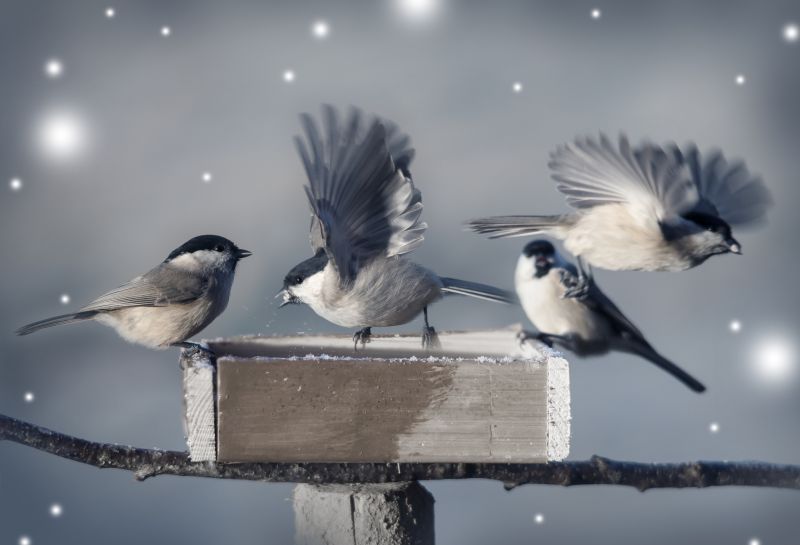
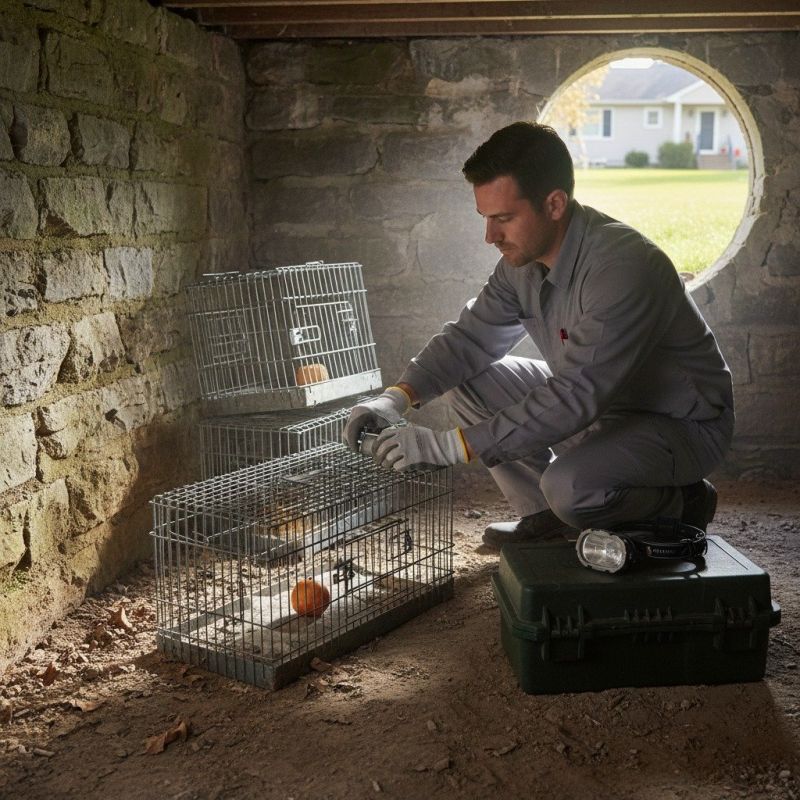
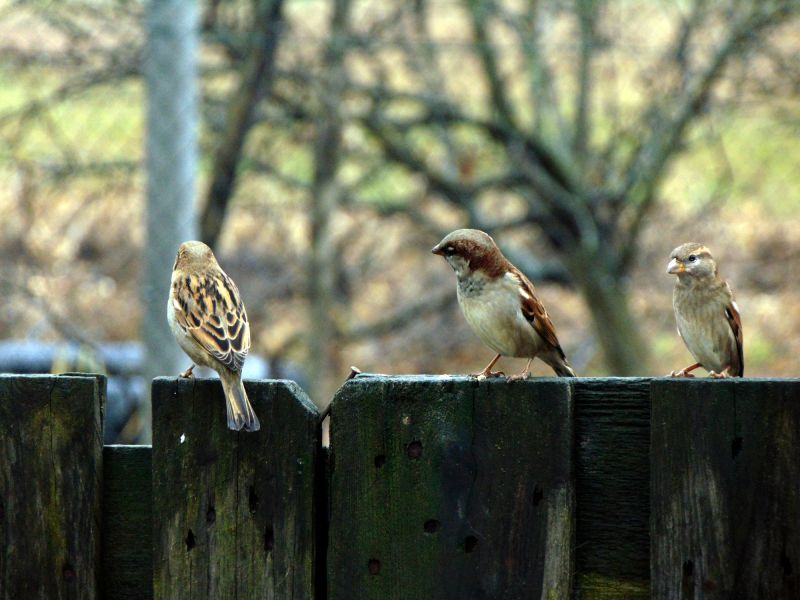
Seasonal wildlife issues homeowners should watch for are often linked to the natural behaviors and migration patterns of various animals throughout the year. During specific seasons, certain species become more active around residential properties, seeking food, shelter, or breeding sites. For example, in the spring, animals like raccoons, squirrels, and birds may start nesting in attics, wall cavities, or under decks, leading to potential damage or health concerns. In the fall, many animals prepare for winter by gathering food or seeking warm shelter, which can result in increased activity around homes and the risk of unwanted visitors. Recognizing these seasonal patterns helps homeowners anticipate problems and plan for wildlife removal or prevention measures accordingly.
These seasonal wildlife issues often relate to property damage, health risks, and nuisance concerns. Animals seeking shelter may chew through wiring, insulation, or structural components, creating safety hazards or costly repairs. Bird droppings and nesting materials can also cause staining and deterioration of exterior surfaces. Additionally, wildlife can carry parasites or diseases that pose health risks to residents. Homeowners may also encounter noise disturbances or odors when animals establish nests or colonies within walls, attics, or chimneys. Understanding these problems allows homeowners to consider proactive strategies, such as sealing entry points or installing deterrents, with the help of local service providers experienced in seasonal wildlife removal.
Properties most commonly affected by seasonal wildlife issues tend to be those with accessible entry points or suitable nesting sites. Homes with gaps around windows, vents, or rooflines are more vulnerable to animal intrusion. Structures with overgrown vegetation, tree branches close to the house, or unsealed chimneys also attract wildlife seeking shelter or nesting space. Rural properties or homes near wooded areas tend to experience higher activity levels, especially during migration or breeding seasons. Even urban and suburban residences can be impacted if they have accessible attics, crawl spaces, or poorly maintained exteriors. Recognizing these property features helps homeowners identify potential vulnerabilities and work with local contractors to implement effective wildlife prevention or removal strategies.
Addressing seasonal wildlife issues often involves collaboration with local contractors who specialize in wildlife management and exclusion. These professionals assess property vulnerabilities, identify active problem areas, and implement targeted solutions to prevent future intrusions. Whether it’s installing chimney caps, sealing gaps, or removing nests, experienced service providers help homeowners manage seasonal wildlife concerns effectively. Their expertise ensures that the removal process is humane and that the property is properly protected against recurring issues. Connecting with local pros provides homeowners with tailored advice and services that align with the specific wildlife challenges presented by each season, helping to maintain a safe and wildlife-resilient home environment year-round.
Gutter and roof maintenance - these projects involve inspecting and repairing areas vulnerable to wildlife entry, which aligns with seasonal wildlife issues homeowners should watch for and can be handled by local contractors.
Attic insulation and ventilation upgrades - improving attic airflow helps prevent wildlife from nesting inside, a concern relevant to seasonal wildlife issues homeowners should watch for, with local pros capable of performing such upgrades.
Tree trimming and branch removal - managing tree growth reduces the risk of animals accessing roofs or attics, making this a related project that local service providers can assist with to address seasonal wildlife issues.
Fence and barrier installation - installing or repairing barriers can prevent wildlife from entering yards or structures, a proactive step connected to seasonal wildlife issues homeowners should watch for.
Chimney cap installation - adding caps to chimneys prevents animals from nesting inside, directly addressing seasonal wildlife issues homeowners should watch for, with local pros offering this service.
Wildlife-proofing home exteriors - sealing gaps, vents, and entry points helps protect homes from seasonal wildlife issues, a task that local contractors specializing in wildlife prevention can handle effectively.
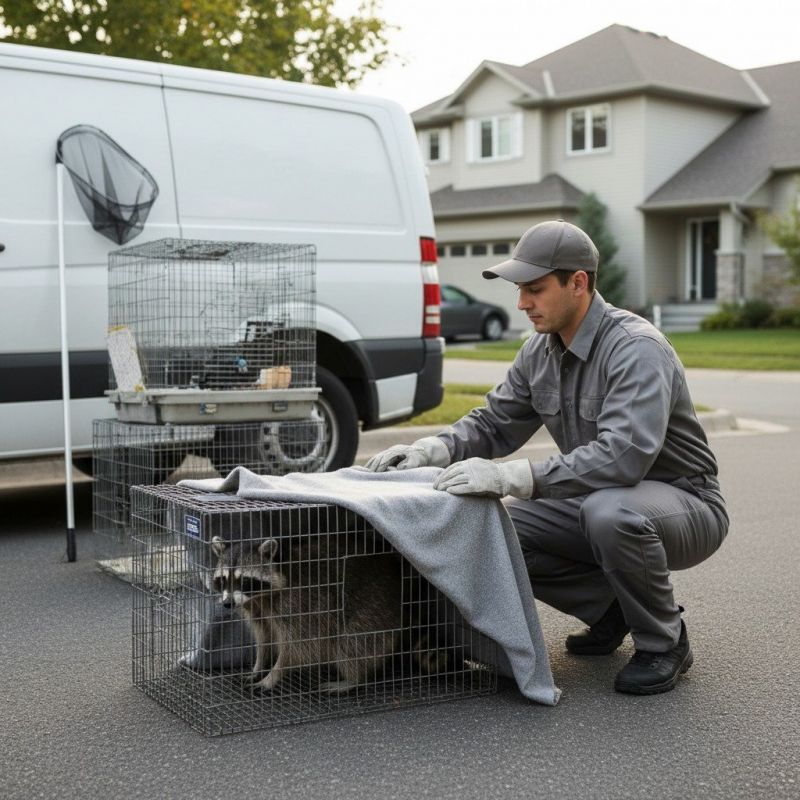
When comparing local contractors for seasonal wildlife removal, it is important to consider their experience with similar projects. Homeowners should look for service providers who have a track record of handling wildlife issues that occur during specific seasons, such as bird nesting, raccoon activity, or squirrel infestations. A contractor’s familiarity with the types of animals common in the area and their understanding of seasonal behaviors can help ensure the work is performed effectively and efficiently. Asking for examples of past projects or references related to seasonal wildlife issues can provide insight into their expertise and success in managing these specific challenges.
Clear written expectations are essential when choosing a wildlife removal service. Homeowners should seek service providers who provide detailed descriptions of the scope of work, methods to be used, and any follow-up procedures. Transparent communication about what the project will entail helps prevent misunderstandings and ensures that both parties are aligned on the goals. Service providers who can articulate their approach in writing demonstrate professionalism and a commitment to clarity, making it easier for homeowners to evaluate whether their practices meet the specific needs related to seasonal wildlife issues.
Reputable references and good communication are key factors in selecting a reliable local contractor. Homeowners are encouraged to ask for references from previous clients, particularly those who had similar seasonal wildlife concerns. Feedback from past customers can reveal the contractor’s reliability, quality of work, and responsiveness. Additionally, service providers who maintain open lines of communication-promptly answering questions, providing updates, and clearly explaining options-are more likely to deliver a positive experience. These qualities help ensure that homeowners feel confident in the contractor’s ability to address seasonal wildlife issues effectively and with professionalism.
Property owners often search for seasonal wildlife issues homeowners should watch for when they are planning practical projects around their homes and businesses. Local pros provide Seasonal Wildlife Removal services for everyday jobs and straightforward project options.
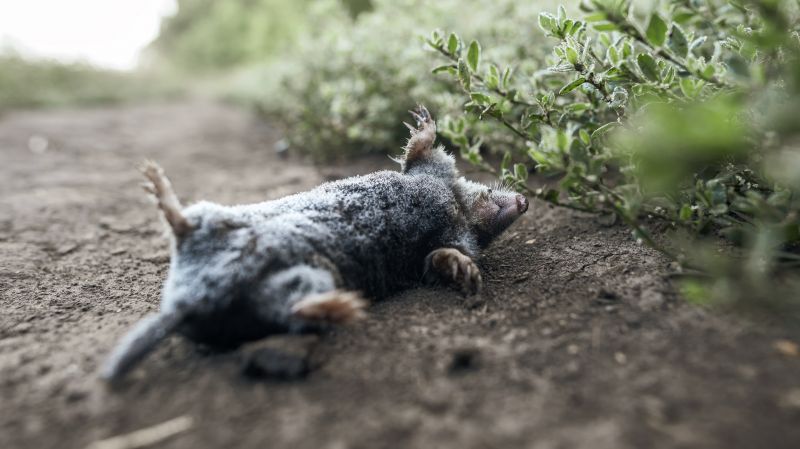
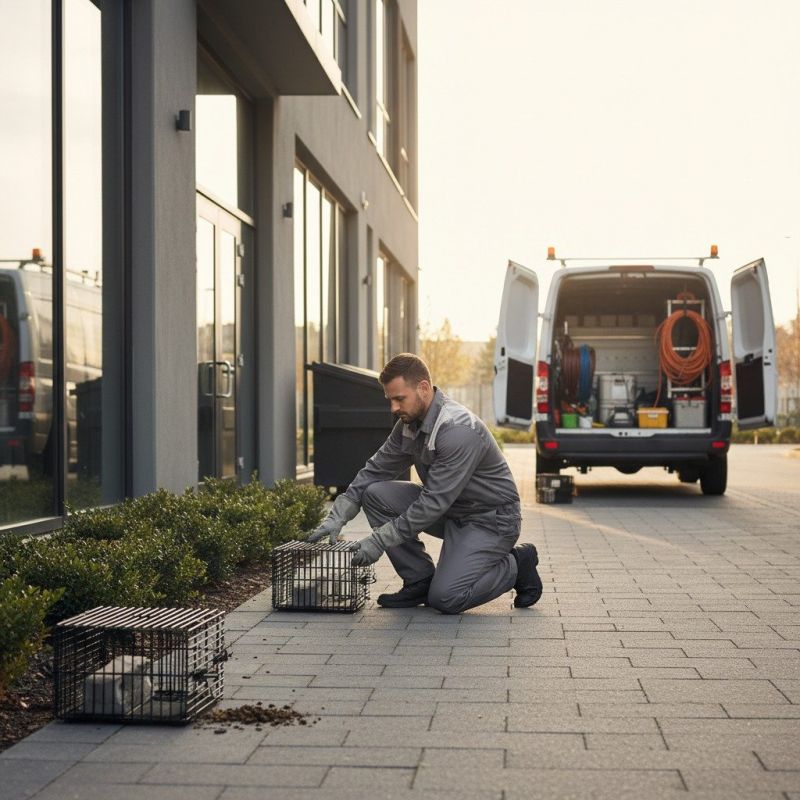
As seasons change, homeowners often notice an increase in wildlife activity around their properties, making it important to stay alert for seasonal wildlife issues homeowners should watch for. During spring and summer, animals such as birds, squirrels, and raccoons may seek shelter in attics, vents, or chimneys, potentially causing damage or creating entry points for pests. Fall and winter can bring different challenges, with some animals searching for warm spots inside walls or under decks, which can lead to noise disturbances or structural concerns. Recognizing these signs early can help prevent more significant problems, and local contractors experienced in seasonal wildlife removal are equipped to handle these situations safely and effectively.
Homeowners might consider seasonal wildlife removal services when noticing signs like droppings, chewed wires, or nests in hard-to-reach areas. Common issues include animals getting trapped in attics or crawl spaces, which can pose health risks or cause property damage if not addressed promptly. Simple observations, such as scratching sounds or unusual odors, may indicate an animal presence that requires professional intervention. Engaging local service providers specializing in seasonal wildlife issues can help ensure that any unwanted visitors are removed humanely and that property vulnerabilities are sealed to prevent future incursions. This proactive approach can save time and prevent costly repairs down the line.
What are common signs of seasonal wildlife issues homeowners should watch for? Homeowners should look for unusual noises in walls or attics, droppings near entry points, damage to insulation or roofing, and sightings of animals around the property, which may indicate wildlife presence requiring removal services.
When do wildlife problems typically become more noticeable during the year? Wildlife issues often become more apparent during seasonal changes, such as spring and fall, when animals are more active due to mating, migration, or preparing for winter, making it important to monitor for signs during these times.
How can homeowners prevent seasonal wildlife issues from worsening? Regular inspections of the home's exterior, sealing potential entry points, and removing food sources can help prevent wildlife from entering or nesting, and local contractors can assist with effective exclusion measures.
What types of wildlife are most active during specific seasons? In spring and summer, animals like birds, squirrels, and raccoons are more active, while in fall and winter, homeowners might encounter rodents or bats seeking shelter, highlighting the need for seasonal awareness.
Why should homeowners consider professional wildlife removal services for seasonal issues? Professionals have the expertise to safely identify, remove, and exclude wildlife, preventing damage and health risks, especially during seasons when animals are most active and likely to cause problems.
Inspect attic vents - regular checks can identify signs of animal entry, helping homeowners plan for wildlife removal services from local contractors.
Seal small openings - closing gaps around windows and doors prevents wildlife from entering, with local pros providing repair and exclusion solutions.
Remove food sources - managing outdoor trash and bird feeders reduces attractants, making it easier for local wildlife removal experts to address issues.
Monitor chimney flues - installing chimney caps and inspecting for blockages can prevent animals from nesting inside, supported by local service providers.
If you are thinking about seasonal wildlife issues homeowners should watch for for a property, this guide is meant to help you understand this topic, the typical project types, and how different options might fit your plans.
When you are ready, you can use the quote form on this page to share a few details about your project. From there, local pros can review the basics and follow up with options that match what you have in mind.